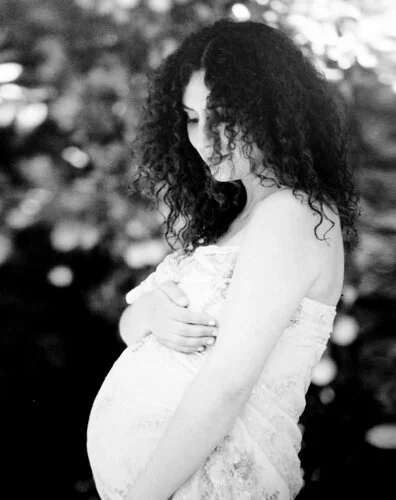
Care for the whole woman, through every season of life
Women’s bodies move through cycles, thresholds, and profound transitions. Menstruation, fertility, pregnancy, birth, postpartum, perimenopause, and menopause are not isolated events. Each belongs to the larger story of a woman’s life.
My work with women lives within L.I.O.N., the larger framework that holds my clinical work, wholeness, and awakening. You do not need to understand the framework before beginning care. We begin with your life as it is now and listen for what your body is asking for.
-
The journey toward conception can touch every part of life. It may bring hope, grief, urgency, uncertainty, tenderness, and a deep longing to understand what the body needs.
My fertility care sees beyond the reproductive organs alone. We may explore menstrual patterns, personal and reproductive history, nourishment, digestion, sleep, stress, movement, emotional well-being, and the health of both partners when appropriate. The intention is to cultivate the healthiest possible inner environment while helping you feel informed, supported, and connected to your own agency.
Care may include:
Acupuncture and Chinese medicine
Personalized herbal medicine when appropriate
Chi Nei Tsang and gentle abdominal work when appropriate
Nutrition, lifestyle, and supplement guidance
Functional medicine evaluation and laboratory testing when desired
Movement, breath, meditation, and nervous-system support
Emotional and spiritual support through the uncertainty of the fertility journey
Collaboration with your OB-GYN, reproductive endocrinologist, midwife, or other members of your care team
I welcome those who hope to conceive naturally as well as those using assisted reproductive care. Complementary care does not replace a timely fertility evaluation, particularly when age, cycle changes, medical history, or the length of time trying to conceive makes further assessment important.
-
Acupuncture and whole-person care can offer a steady place of support during the demanding process of IVF or IUI. Sessions may focus on relaxation, sleep, digestive comfort, emotional steadiness, and symptoms associated with the treatment process.
When time allows, I often recommend beginning care three to six months before a planned cycle. Sessions may be weekly or twice weekly depending on your needs, your reproductive endocrinologist’s protocol, and where you are in the process. Care can also begin at any point, including during stimulation, before or after retrieval, or around embryo transfer, with the approval of your fertility team.
Research has not shown that acupuncture around embryo transfer consistently improves live-birth rates. I therefore do not promise that acupuncture will create or guarantee a pregnancy. I offer it as thoughtful complementary care for the person moving through treatment, while working in harmony with the medical plan.
Lifestyle, nourishment, herbs, and supplements are reviewed individually. Any herbs or supplements used during IVF or IUI should be disclosed to the fertility clinic and may need to be modified or paused around medications and procedures.
-
Chinese medicine can be a gentle complement to prenatal and postpartum care. Treatments are adapted to the stage of pregnancy, with pregnancy-specific point selection, positioning, and techniques. Many women find the quiet of an acupuncture session deeply restorative and are able to enter a state of profound rest.
Support during pregnancy
Acupuncture and related therapies may help support comfort and well-being with common pregnancy concerns such as:
Nausea and digestive discomfort
Heartburn and reflux
Constipation and hemorrhoid discomfort
Headaches
Back, pelvic, groin, and sciatic discomfort
Muscular tension and leg cramps
Fatigue, sleep changes, anxiety, and stress
The physical and emotional changes of pregnancy
Massage and bodywork are adapted to the individual and the stage of pregnancy. Positioning, pressure, and abdominal or sacral work are chosen carefully, with comfort and safety as the priority.
-
Late-pregnancy sessions may focus on rest, pelvic comfort, emotional readiness, and preparation for labor. At term, and with the knowledge of your maternity provider, acupuncture, acupressure, auricular therapy, movement, breath, relaxation practices, and massage may be used to support calm, coping, and connection with the body.
During labor, acupressure, auricular points, massage, breath, and focused relaxation can offer additional comfort while allowing freedom of movement. These approaches can accompany midwifery or obstetric care and do not take away a woman’s option to use medical pain relief when it is wanted or needed.
Private childbirth preparation, selected birth doula support, and individualized relaxation practices may also be available by arrangement.
-
Moxibustion is a traditional Chinese medicine technique that gently warms an acupuncture point with the dried herb mugwort. There is some evidence that moxibustion used around 33 to 35 weeks may encourage fetal movement and help some breech babies turn.
This care is offered only after the baby’s position has been confirmed and in communication with the woman’s midwife or obstetric provider. When it is appropriate, I demonstrate the technique and teach the woman or her support person how to continue safely at home. Moxibustion does not replace obstetric assessment, external cephalic version, or a medical discussion about birth options if the baby remains breech.
-
Birth is not the end of the journey. The postpartum period deserves time, nourishment, protection, and care. In Chinese medicine, this is a vital time to rebuild the body’s reserves and restore Blood and Qi.
Postpartum care may include acupuncture, breastfeeding-compatible herbal support when appropriate, gentle Tui Na massage, nutrition, rest practices, and emotional support. Women may seek care for fatigue, sleep difficulties, digestive changes, constipation, urinary concerns, pain, breast or lactation concerns, mood changes, or the challenge of adjusting to motherhood.
For women carrying distress from pregnancy or birth, birth-trauma healing sessions may combine gentle body-centered work, guided inner work, and acupuncture to help restore a sense of safety, wholeness, and connection.
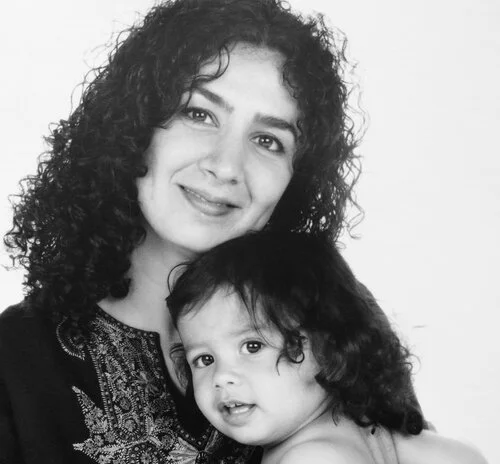
My own experience of childbirth—first by cesarean and second naturally—was a priceless experience of personal growth, where I understood the pain process in a new empowering way, radically different from the usual.
My first birth by cesarean which was unnecessary was my initiation to have the mission to devote a large percentage of my practice to pregnant women seeking help with a variety of health concerns.
I have now a much deeper understanding of the intricacies of the birth process, value a woman's ability to nurture her pregnancy and birth her baby; I regard pregnancy and birth as a rite of passage integral to a woman's evolution into mothering and believe that healthy pregnancy and natural birth are processes which have lifelong impact on a woman's self esteem, her health, her ability to nurture, and her personal growth.